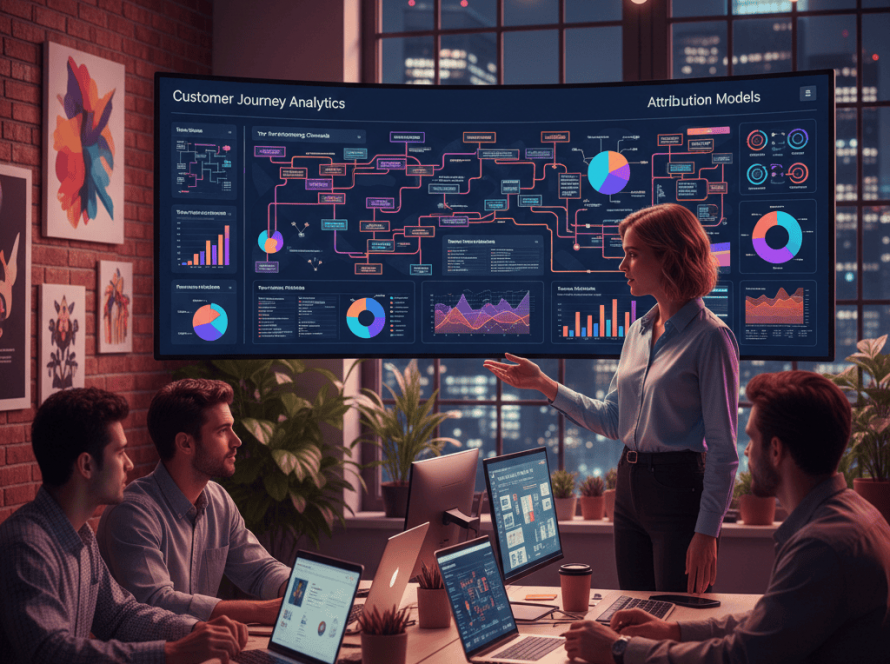
Data analytics is entering a new phase where traditional dashboards are no longer enough to keep pace with the speed of business. Organizations are moving from static, rear‑view reporting toward real‑time insights, automated decisioning, and intelligent agents that act on data without human intervention. At the same time, regulations and customer expectations around privacy and transparency are tightening, forcing teams to balance innovation with responsible data use.
One of the most important trends is the convergence of analytics and artificial intelligence. Instead of analysts manually exploring data and building models, AI is increasingly embedded directly into tools to detect anomalies, recommend next actions, and generate narratives in plain language. This “augmented analytics” approach makes insights accessible to non‑technical users and removes bottlenecks where business teams wait days or weeks for reports. As natural language interfaces mature, asking questions of your data will feel more like chatting with a colleague than writing SQL.

Another major shift is toward real‑time and streaming analytics. As more devices, applications, and customers operate continuously, organizations cannot afford to wait for nightly batch jobs. Streaming platforms allow data to be processed the moment it is generated, powering use cases like dynamic pricing, fraud prevention, predictive maintenance, and instant personalization. In parallel, edge analytics is moving computation closer to where data is created—from factory floors to retail stores—to reduce latency and bandwidth costs.
Data governance and trust are becoming strategic differentiators rather than compliance checkboxes. As models grow more complex and data sources multiply, leaders must prove where data came from, how it was transformed, and why an algorithm made a particular recommendation. Techniques such as data lineage tracking, explainable AI, and privacy‑enhancing technologies (like differential privacy and synthetic data) are moving into mainstream adoption. Companies that cannot show their work will find it harder to earn the confidence of regulators, partners, and customers.
Finally, the future of data analytics is deeply collaborative. Data mesh and similar concepts distribute ownership of data to domain teams while enforcing shared standards. Analysts, engineers, and business stakeholders work in cross‑functional “data product” squads, treating datasets and models as living products with roadmaps and SLAs rather than one‑off projects. This cultural change—more than any single tool—will determine which organizations truly capitalize on the next wave of analytics innovation.